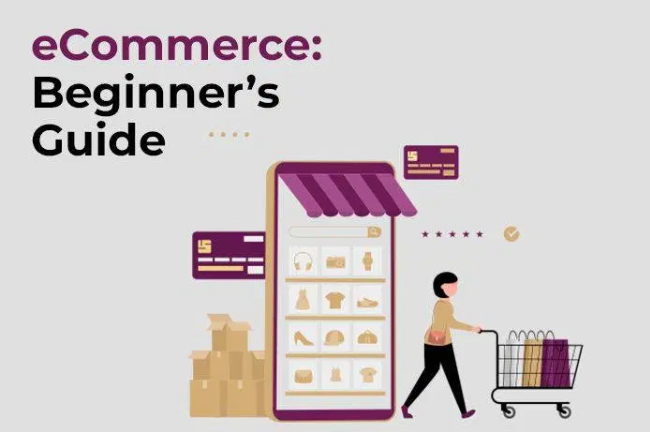
Ecommerce is the buying and selling of goods and services over the internet. Instead of visiting a physical store, customers browse online, select products, make digital payments, and receive their purchases at home.
Online shopping apps, digital marketplaces, and brand websites are all examples of ecommerce in action. Ecommerce includes everything from small business websites to large global marketplaces.
It also involves digital payments, online customer service, order tracking, and electronic marketing. Ecommerce has transformed how businesses operate and how consumers shop.
Different Types of Ecommerce Models
Understanding the main ecommerce models makes the concept clearer:
1. Business to Consumer (B2C)
Businesses sell products or services directly to individual customers through online stores.
2. Business to Business (B2B)
Companies sell goods or services to other businesses.
3. Consumer to Consumer (C2C)
Individuals sell products or services to other individuals online.
4. Consumer to Business (C2B)
Individuals offer products or services to businesses.
All of these models fall under the broader concept of ecommerce and show how flexible online commerce can be.
Ecommerce Growth in 2026
Interest in ecommerce continues to grow as online business expands rapidly. Ecommerce is increasing worldwide due to smartphones, digital payments, and fast internet access.
Businesses prefer ecommerce over physical stores because operating costs are lower. Customers prefer it because it is convenient, offers wide product selection, and often provides competitive pricing.
Ecommerce also allows small businesses to compete with larger companies using smart digital strategies and support from an ecommerce SEO agency.
The Basics of Online Stores: Ecommerce Website Templates
What Are Ecommerce Website Templates?
Once you understand ecommerce, the next step is building an online store. Ecommerce website templates are pre-designed layouts that help businesses create professional online stores without building everything from scratch.
These templates typically include:
- Product display pages
- Shopping cart systems
- Checkout pages
- Payment gateway integration
- Mobile-friendly designs
Using ecommerce website templates saves time and money while ensuring a clean, modern design.
Advantages of Ecommerce Website Templates
1. Cost-Effective
Businesses can launch quickly without hiring developers to build custom code.
2. Professional Design
Most templates follow modern UI and UX standards.
3. Mobile-Friendly
Since most customers shop on mobile devices, templates are optimized for smaller screens.
4. Easy Customization
Colors, logos, fonts, and layouts can be adjusted easily.
5. SEO-Friendly Structure
Many templates are built with search engine optimization in mind.
How to Choose the Best Ecommerce Website Template
The right template depends on your business needs. Consider:
- Fast loading speed
- Mobile responsiveness
- Easy navigation
- Secure checkout process
- Payment gateway compatibility
- SEO-friendly structure
The right template improves user experience and increases conversion rates.
Why an Ecommerce SEO Agency Is Important
What Does an Ecommerce SEO Agency Do?
An ecommerce SEO agency improves online store visibility in search engines. After building your website, visibility becomes critical.
An ecommerce SEO agency helps improve:
- Search engine rankings
- Organic traffic
- Product page optimization
- Keyword research
- Technical SEO
- Conversion optimization
Even the best-designed store may struggle without proper SEO.
Why Ecommerce SEO Matters
Online competition is intense. Many websites sell similar products. SEO ensures your store stands out.
1. Increased Visibility
SEO helps customers find your products through search engines.
2. More Traffic
Higher visibility leads to more visitors.
3. Better Conversion Rates
Optimized product pages and clear structure improve sales.
4. Long-Term Growth
Unlike paid ads, SEO builds sustainable traffic over time.
How Templates and SEO Work Together
Understanding ecommerce is just the beginning. Success requires both strong design and smart marketing.
- Ecommerce website templates provide the technical foundation.
- An ecommerce SEO agency drives traffic and improves visibility.
A poorly structured template makes SEO difficult. Likewise, a well-designed store without SEO may not attract enough visitors. Both elements must work together for growth.
Key Features to Look for in Ecommerce Templates
When choosing a template, look for:
- Fast loading speed
- Secure payment integration
- Clear product categorization
- Advanced filtering options
- Customer review systems
- SEO-friendly URLs
High-quality templates enhance user experience and simplify navigation.
Services Provided by an Ecommerce SEO Agency
Most agencies offer:
Keyword Research
Identifying high-value keywords for your niche.
On-Page Optimization
Optimizing titles, descriptions, and product pages.
Technical SEO
Improving speed, mobile usability, and indexing.
Content Strategy
Creating guides and blog posts to attract traffic.
Link Building
Increasing website authority.
Reporting and Analytics
Tracking growth, rankings, and sales performance.
Common Ecommerce Mistakes
Many businesses rush into ecommerce without proper planning. Common mistakes include:
- Choosing poor website templates
- Ignoring mobile optimization
- Skipping SEO support
- Slow website performance
- Complicated checkout processes
- Weak product descriptions
Avoiding these mistakes leads to smoother growth.
The Future of Ecommerce Beyond 2026
Ecommerce continues to evolve with advancements like artificial intelligence, voice search, and personalized recommendations.
Templates are becoming smarter with automation features and built-in analytics. SEO strategies are also evolving to match new search algorithms and voice-based searches.
Understanding ecommerce today helps businesses prepare for tomorrow’s digital marketplace.
How to Start an Ecommerce Business
To launch your ecommerce business:
- Choose your niche and products.
- Select reliable ecommerce website templates.
- Customize your store and add products.
- Set up secure payment gateways.
- Work with an experienced ecommerce SEO agency.
- Promote your store using digital marketing.
- Monitor analytics and continuously improve.
With proper planning and expert support, success is achievable.
Why Hiring an Ecommerce SEO Agency Helps
While some businesses attempt SEO themselves, agencies offer:
- Advanced technical expertise
- Strong understanding of search algorithms
- Access to professional tools
- Faster ranking improvements
- Competitive analysis
An ecommerce SEO agency saves time and supports smarter business decisions.
Conclusion
Understanding ecommerce is essential for anyone starting an online business. Ecommerce refers to buying and selling goods or services online.
Ecommerce website templates allow businesses to quickly and affordably launch professional online stores. They provide the design, structure, and functionality needed to sell effectively.
However, building a store is not enough. An ecommerce SEO agency ensures your store ranks well, attracts traffic, and converts visitors into customers.
Ecommerce continues to grow rapidly in 2026 and beyond. Businesses that combine strong website templates with smart SEO strategies will achieve long-term digital success.
With the right tools and marketing approach, your ecommerce business can thrive in the competitive online marketplace.
Leave a Reply